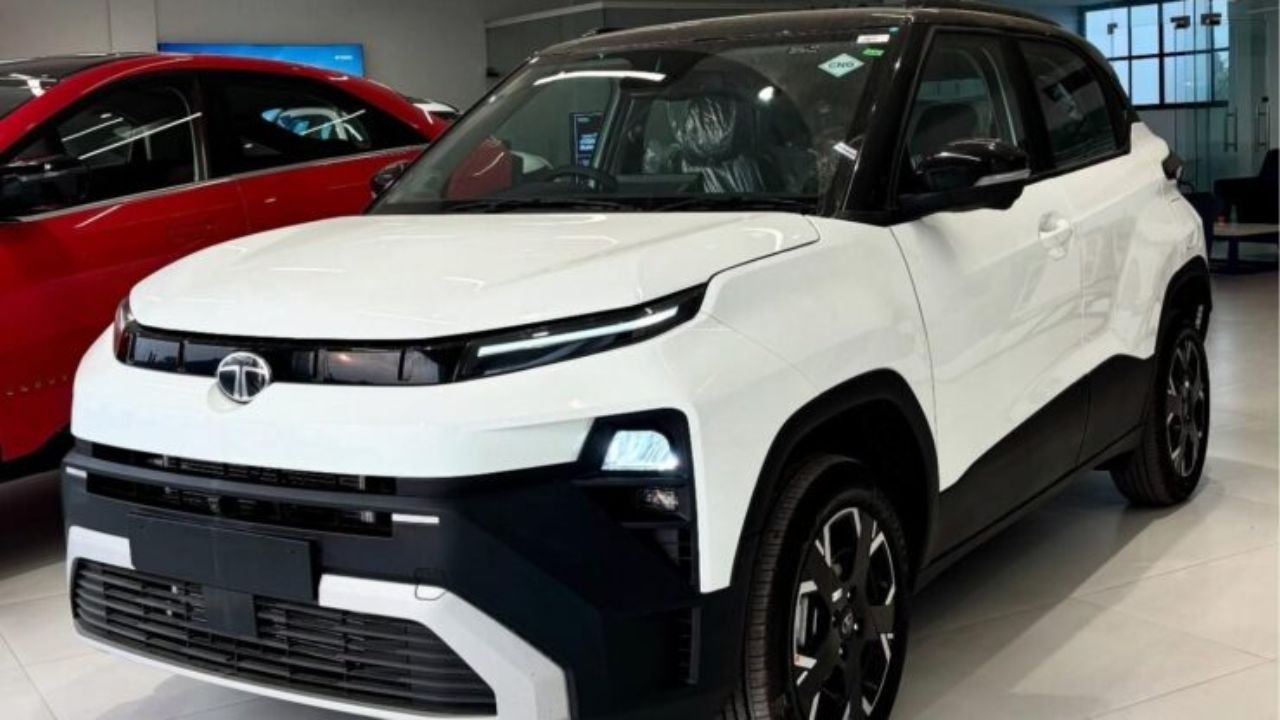
In February 2026, the Indian automotive market witnessed a remarkable surge in sales, with a total of 3,70,616 passenger vehicles sold, marking an impressive 24.93% year-on-year growth from the 2,96,657 units sold in the same month the previous year. While Maruti Suzuki retained its dominant position at the top, the battle for second place between Tata Motors and Mahindra was fierce, with Tata Motors securing the position by a narrow margin.
Maruti Suzuki Leads the Market
Maruti Suzuki continues to hold an unassailable lead in the Indian market, with 153,604 units sold in February 2026, a 28.06% increase compared to the previous year. The brand’s market share stood at 41.45%, reflecting the ongoing strength of its diverse portfolio. Models like the Dzire, Swift, and Baleno continue to perform well in the mini and compact segments, which remain the backbone of Maruti Suzuki’s success.
Tata Motors: A Close Second

Tata Motors achieved a significant feat by securing the second position in sales, with 50,654 vehicles sold in February 2026. This marked an impressive 43.29% growth year-on-year. Tata Motors’ market share rose to 13.67%, bolstered by strong performances from its popular models such as the Tata Nexon, Tata Punch, and Tata Altroz. The Tata Punch and Tata Nexon EV were particularly popular, with the SUV segment driving much of Tata’s recent success.
The company’s success is a testament to its continued efforts to build a diversified product range, which includes both electric and internal combustion engine (ICE) variants. Tata’s focus on making EVs more affordable and accessible, coupled with its robust lineup of compact SUVs, has played a key role in its strong growth.
Mahindra: Just Behind Tata Motors
While Mahindra finished third, it was only 754 units behind Tata Motors, with 49,900 units sold in February 2026. Mahindra also posted a respectable 20.07% year-on-year growth, and its market share stood at 13.46%. The company’s success continues to be driven by its strong lineup of SUVs, particularly the Mahindra XUV700, Scorpio N, and Thar. The Mahindra Thar remains a favorite among off-road enthusiasts, while the XUV700 and XUV300 appeal to those seeking a balance between performance, luxury, and affordability.

Although Mahindra’s year-on-year growth was slightly lower than Tata’s, the company remains a major player in the Indian SUV market. The upcoming launches and refreshes in Mahindra’s lineup, including more electric and hybrid vehicles, are expected to further strengthen its position in the market.
Hyundai and Other Brands
Hyundai came in fourth place with 45,213 units sold, reflecting a 17.26% year-on-year growth. Its market share stood at 12.20%. Hyundai’s portfolio, including models like the Creta, Venue, and i20, continues to perform well, especially in the compact and midsize SUV segments. With the Hyundai Creta being one of the best-selling SUVs in the country, the brand is well-positioned to maintain its competitiveness in the market.
Toyota, traditionally known for its focus on premium vehicles, came in fifth place with 26,095 units sold, achieving a 14% growth compared to the previous year. Kia, Hyundai’s sister brand, secured the sixth position with 24,690 units, marking an impressive 26.94% growth year-on-year.

Other notable brands included Volkswagen and Skoda, which together sold 7,578 cars in February 2026, marking a 12.25% increase compared to the previous year. Honda and Renault followed with 4,759 and 3,240 units, respectively, while Nissan struggled, recording a decline of 7.23% year-on-year with just 1,616 units sold.
Market Dynamics: The SUV Surge
The growing dominance of SUVs is evident in the sales data. Tata and Mahindra’s strong showings, both of which are heavily SUV-focused brands, reflect the increasing consumer preference for larger vehicles. The compact SUV and midsize SUV segments have emerged as key battlegrounds for automakers, with brands like Maruti Suzuki, Tata Motors, and Hyundai competing fiercely in these categories.
Maruti Suzuki’s continued dominance in the hatchback and sedan categories, especially with models like the Swift and Dzire, highlights the ongoing importance of these segments in the Indian market. However, with the SUV trend showing no signs of slowing down, we can expect more brands to focus their attention on expanding their utility vehicle portfolios.
Future Outlook
The Indian car market is undergoing a major transformation, with electric vehicles (EVs) and hybrid models becoming more prominent in automakers’ strategies. Tata Motors, with its focus on EVs like the Nexon EV and Tata Altroz EV, is poised to capitalize on the growing demand for sustainable mobility. Mahindra, too, has committed to expanding its EV offerings with the launch of the Mahindra XUV400 and other future models.
For now, Tata Motors and Mahindra remain locked in a close contest for the second position in the market. With both companies continuing to expand their product portfolios and cater to a diverse range of consumers, it will be fascinating to see how the competition unfolds in the coming months.
Conclusion
In February 2026, Tata Motors narrowly outsold Mahindra, securing the second spot in the Indian automotive sales chart. With impressive growth and a strong lineup of vehicles, Tata Motors continues to make strides in the market, especially in the SUV and EV segments. Mahindra, meanwhile, remains a formidable force in the SUV space, and its robust portfolio ensures it will remain a key player.
While Maruti Suzuki continues to dominate the market, the battle for second place between Tata and Mahindra will likely continue throughout the year, with both companies vying for supremacy in the SUV-dominated market. As the industry shifts towards electrification and sustainability, Tata Motors and Mahindra are both well-positioned to take advantage of the evolving trends, further cementing their place in the competitive landscape.